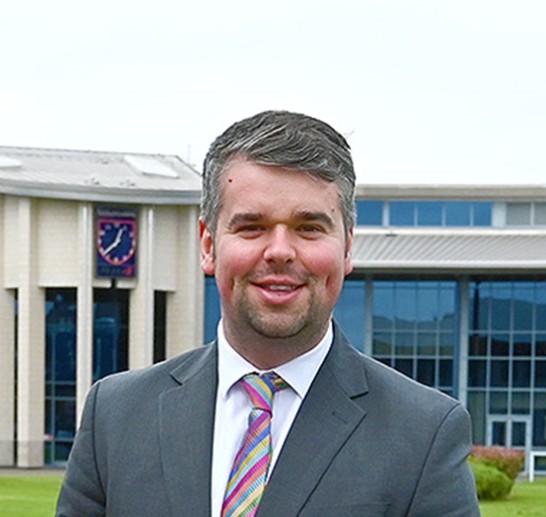

James Saunders, Head of Sandwell Academy, reflects on the insights gained from this year’s Mercers’ Company’s Associated Schools Leaders Conference, which placed the challenges of developing and sustaining school culture centre stage.
When asked to organise an educational conference for leaders, the starting point must always be the realities of leadership itself. The pressures leaders face daily, the priorities that compete for their attention and the questions that too often go unspoken in the busyness of school life. For me, it was important to showcase more than simply good practice and provide space. Space to think, to listen and to reflect on how we nurture school cultures that are resilient, values-driven and inclusive.
The wider context for schools today
That felt especially pertinent given the wider context in which schools operate today. In a world where division and conflict appear to be everywhere and where culture wars are fought for the attention and discipleship of young people towards often unwholesome causes, the threats to culture and ethos are clear and present dangers. All educational institutions wrestle with the problem of creating, implementing and sustaining values that are simultaneously morally universal and particular to their own educational and pastoral objectives. For leaders, this reality is constant and complex and leadership not only should but must find thoughtful responses. Allowing leaders the opportunity to have space and time to examine these challenges, within a constructive and supportive forum, therefore felt not just valuable but of vital importance.
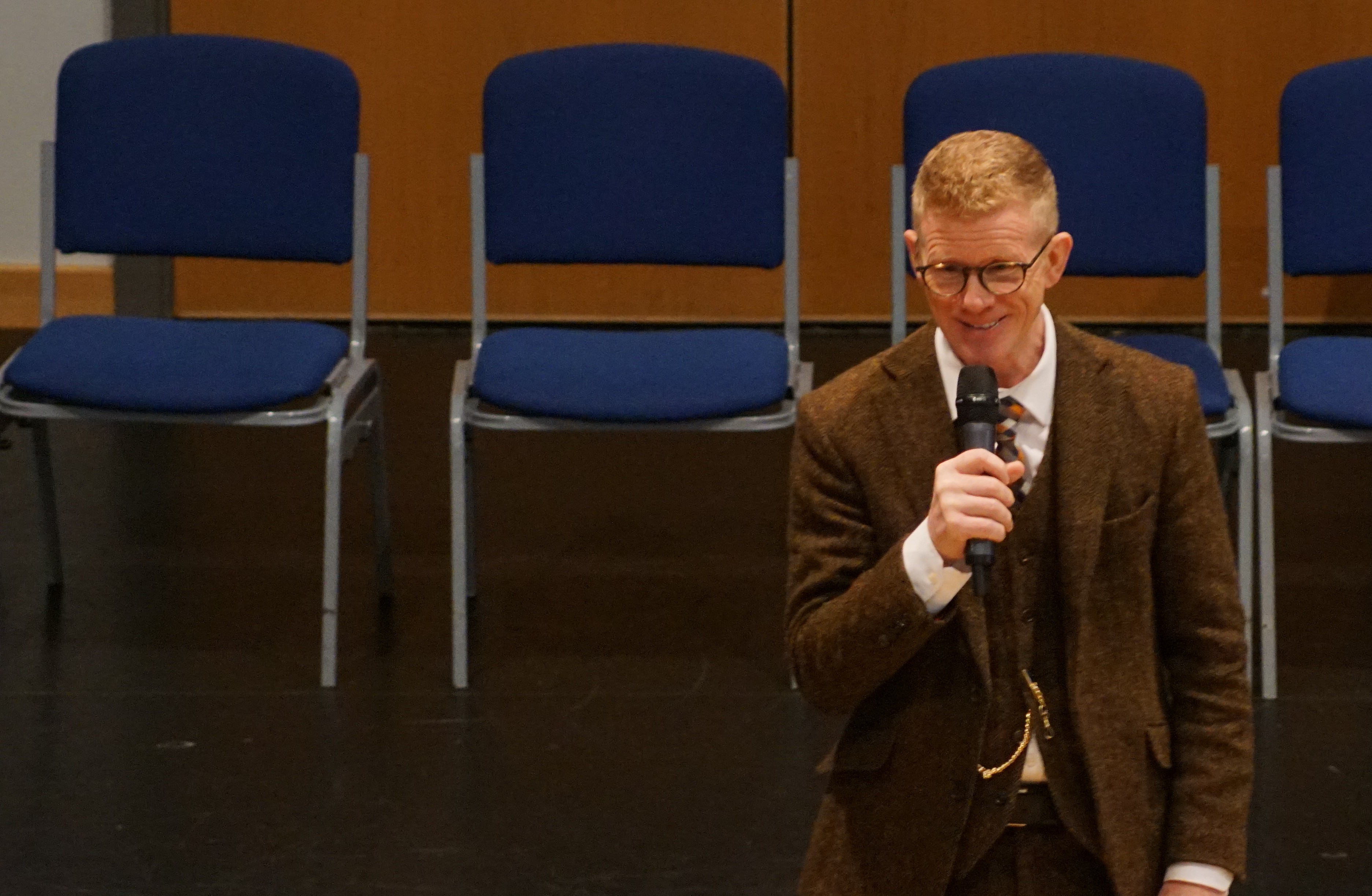
Key note speaker: Richard McCann
Reflections from the conference
Colleagues from across the Mercers’ Company’s Associated Schools & Colleges gathered in West Bromwich with an openness to be challenged, stimulated and inspired. Following an initial welcome address from myself and Mr Henry Lloyd from the Mercers’ Company, the conference opened with a moving keynote from Mr Richard McCann. His personal reflections on a childhood experience beyond his control, resilience and the profound impact adults can have on young lives were at turns poignant, humorous and hopeful.
What stayed with me most was his reminder that a child’s circumstances should never define destiny. Leaders were encouraged to see the potential of every child, to resist being swayed by labels and prejudices and to reflect honestly on how schools can contribute, either positively or detrimentally, to the life chances of the children they serve. The overriding message was that stability in the lives of young people can never be guaranteed and outcomes are never predetermined. For me, this reinforced the responsibility schools carry to offer consistency, belief and hope for all its students and particularly for those whose lives beyond school are marked by instability or uncertainty.
“A child’s circumstances should never define destiny.”
Following this, three workshops took place, led by Senior Leaders from Sandwell Academy. These sessions explored themes ranging from educational leadership to tackle factors of vulnerability, to the role of professional development in shaping culture and empowering staff with the tools to sustain shared values. What made these sessions particularly valuable was the openness with which leaders shared experiences and good practice and reflected on both success and areas for further improvement in their own arenas.
The afternoon session, led by Mr Mike Nicholson, Director of Progressive Masculinity, provided an opportunity to consider these issues in greater depth. Drawing on Sandwell Academy’s work with the organisation this year, the session explored the complex realities facing boys and young men shaped by influences within both real and online communities. Mr Nicholson spoke with clarity about the systemic challenges involved, particularly the impact of unchecked misogyny on relationships and communities. Yet, at the heart of the presentation was an enduring belief in the inherent goodness of children, offering a necessary note of hope.
The day concluded with an entertaining and enriching panel discussion, chaired by myself, with contributions from Mr Nicholson; Mr Dan Lodge, Principal of the College of Richard Collyer; Mr Gary Kynaston, Head teacher of Hammersmith Academy; and Ms Sara Russell OBE, Principal of Peter Symonds College. Listening to these leaders speak was a powerful reminder that leadership is rarely linear. Their reflections reinforced the importance of collaboration and learning from one another and provided insight and aspiration for those who attended.
“School culture is not something that can ever be ‘finished’; it is shaped daily through relationships, decisions and the courage to keep focussing on what really matters.”
As the conference drew to a close, I was struck by how, despite differing contexts, we all are striving for the same thing: to provide the very best for the children and communities that we serve. It reaffirmed that school culture is not something that can ever be ‘finished’; it is shaped daily through relationships, decisions and the courage to keep focussing on what really matters. The networks and partnerships fostered through the Mercers’ Company make that reflective journey richer and remind us that we do not undertake it alone.